From all the confusing and annoying ways to sign in to software we wade through everyday, developers must fear storing/encrypting/hashing passwords. I get it, no one wants to be responsible for screwing up critical security, so authentication has become one of those “no one ever got fired for buying IBM” type of problem that considers the user last.
So why has Kinopio only had password-based login since it launched in 2018? Because all the other options are still worse.
Let’s go through them:
Password-Less Auth With an Emailed Token
You go to sign in and type in your email address, then you need to switch to your email app to click the ‘magic link’ to sign in.
Using email to authenticate is much less intimidating to build because you don’t have to store or encrypt passwords. But as a user, the result is pain:
If you’re lucky the email is ready in your inbox, but usually you’ll be waiting a minute or two for it to show up. (Assuming it doesn’t get silently swallowed up by spam filters).
Because mobile email clients open links in their own sandboxed embedded browsers, the magic link has become a decidedly less magical 2FA code that you have to manually copy and paste yourself, like an animal.
Defenders of the pattern are correct that storing minimum user data is a good security practice. But the ad-trackers, AI training, and unredacted and never-purged logs in most modern apps make this a practically meaningless gesture.
The weirdest thing is that even huge VC-funded companies with unlimited engineering resources rely on email sign-in, maybe what it’s really about is passing the responsibility (and the liability) downstream to the email provider.
Sign in With Google/Facebook/GitHub/Hell
Signing in with third party OAuth providers like Google is the easiest thing to implement, and you even get 2FA support for free.
The major advantage of this pattern is low friction. New users don’t have to type anything and create a new password to make a new account.
But in exchange for the convenience, you’re giving over user data to big-tech corporations and the advertising-industrial complex that’s sloppifying the web, and subverting democracy.
Also you can’t just do one of them because someone will inevitably tell you that they don’t have a [Google] account, but they do use [Microsoft] at work. So your sign in screen ends up looking like a rainbow colored mess of corporate logos, and users have to remember which of these providers they used with your app.
And lord help you if they sign in with a different provider later and think that their data has disappeared. This is a very common support issue. You’ll lose the time you’ve saved to figuring out how to safely merge user accounts associated with different providers.
But “who cares about all that” you might say. “Friction is the enemy of conversion, and we don’t want anyone hesitating for even a second before signing up to use our app”.
Actually, people leave without signing up because they’re not really sure that the app will solve their problem, or be enjoyable to use. If you focus on communicating that instead, (e.g. through clearer and more focused messaging, or by letting people use the app without an account), the right people will be excited to sign up. An email and password field certainly won’t stop them.
Are We Overthinking Passwords?
When I met my wife, she was using the same Lord of the Rings-related password for everything. So I explained how if the most security-lax service she uses got hacked (exhibit A, B, C), all of her accounts could be trivially taken over. I also taught her how to use 1Password instead of memorizing passwords.
It used to take a lot of personal diligence to stay safe on the web. But these days, practicing safe password habits is easy for everyone to do because every browser/OS now automatically suggests and autofills passwords.
That said, hopefully one day, basic internet safety education is something everyone is taught in school.
What About Passkeys?
It’s hard to think of a more confusingly introduced technology than Passkeys. They were promoted as a new safer alternative to passwords, but what they ended up being is a convenient additional way to sign in to an existing account, which still needs a password or OAuth provider.
Storing Passwords Safely Is Not as Hard as You Think
Ideally it’s a liability developers wouldn’t need to have. But mature and boring encryption libraries (like bcrypt) and best practices like API rate-limiting are documented well-enough that providing safe password-based auth is not as intimidating as many developers think it is.
In the future, I’ll add optional 2FA support, which shouldn’t be too hard.
(For extra safety, I also prevent users from making passwords less than 4 characters long, and disallow passwords that match a part or whole of the email address. Which I’m told people still do sadly.)
There’s never been just one way to buy software. In ye olden times, if you liked some shareware, you’d mail off a cheque, or call up a hot-line, to get the full version. Later on, you could walk into a store and walk out with a shiny box, manuals, and disks.
No one technically had to upgrade, but in a year or so, everybody did, because we wanted those sweet quality-of-life improvements, nicer design, and exciting new features. But eventually every product being continually developed will become good enough for its target market.
When that happens, companies (especially the VC-backed kind) now need to contrive new and increasingly stick-like reasons for customers to pay again. From made-for-marketing ‘features’ that suck to use IRL, to breaking compatibility with older versions, to spamming you with marketing notifications and embedded ads. Their relationship with customers goes from symbiotic to parasitic.
On the other hand, the pursuit of completeness should be an ideal fit for subscription software because, theoretically, steady monthly payments from long-time customers incentivizes stability, polish, and helpful improvements.
Subscriptions are particularly helpful for businesses:
Monthly Recurring Revenue (MRR) makes it way easier for a business to hire employees because they know they’ll be able to pay their yearly salaries.
Historical MRR can be used to project the rate at which future revenue will go up 📈, which could be used to take on some debt to finance expansion or R&D as safely as possible.
Especially for solo creators, just knowing that you have ~$3000/mo coming in every month is way less anxiety-inducing than making $6,000 in a good month – but knowing that next month you could just as likely make $1000, or maybe even $0. It’s like being a farmer, surviving at the mercy of good weather.
What do you grow, when the future could be anything”
There’s also a third reason: Tier or usage-based pricing prevents customers costing more money than they contribute. But unless you’re burning unlimited money generating LLM tokens, the risk of losing money on a web app customer is either basically zero, or very easy to predict otherwise (even over the long-term).
On paper, subscriptions could be a win-win. But some people, including many readers of this blog, have good reasons to be wary of them.
Subscription Woes
Kinopio subscriptions can be easily cancelled, pricing is grandfathered, receipts are emailed, accidental renewals can be refunded, and there are no cancellation fees or deceptive dark patterns. Many indie subscription apps also offer subscriptions in good faith.
But a business model that’s regularly exploited by well-known corporations, like the New York Times and Adobe, poisons the well for everyone else. Every time someone gets tricked into signing up for a non-refundable yearly subscription instead of a monthly one, or has to call to cancel a subscription they created online, those bad feelings become associated with all subscriptions.
It’s hard to have good long-lasting relationships with customers if they’re expecting the worst.
(source)
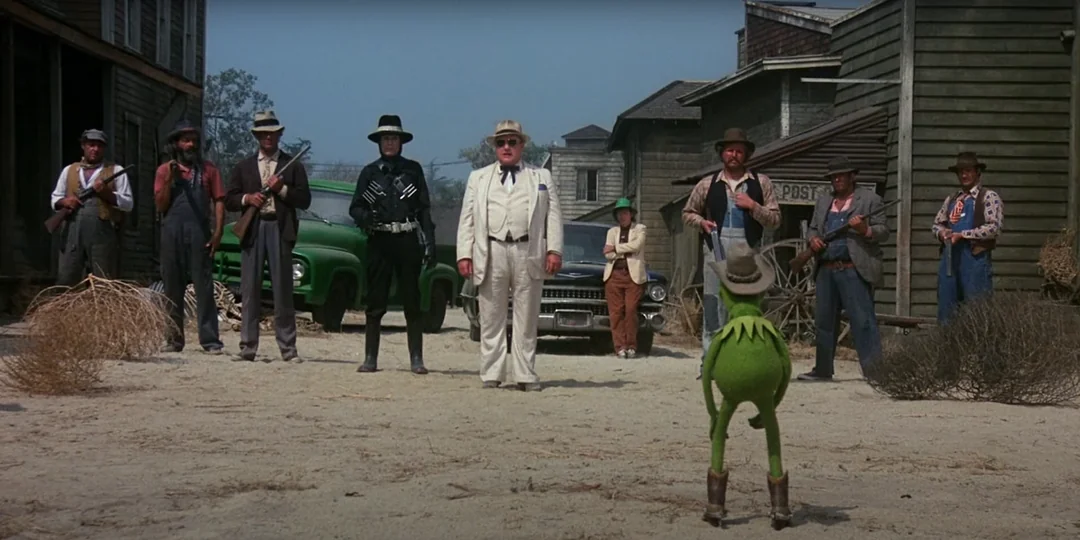
No one wins in a shootout between a company and its customers.
That being said, I still think subscriptions make sense to offer.
For most people, subscriptions are as normal as the old boxed software model used to be. And the much lower-cost to entry can be very helpful – especially in competitive markets where customers have a lot of options.
The onus is on companies selling subscriptions to earn trust by being transparent about who they are, what they believe, and how they’re funded (i.e. what their long-term incentives are). A public roadmap and changelog also go a long-way towards proving they practice what they preach.
Even to non-technical people, paying for subscriptions makes intuitive sense when the product requires a server for helpful things like file uploads, public URLs, and real-time collaboration. But the per-user-cost of running a production CRUD server is basically zero. Counter-intuitively, what you’re really paying for is the considerable effort and expertise that it takes to keep full-featured software running reliably and continuously-improving.
That’s part of the reason why I increased prices over the years as the app grew in capability and complexity.
How I Priced Kinopio
For context, here’s Kinopio’s pricing history:
Year
Prices
2019
$0
2020
$4/mo
2021
$5/mo
2022
$6/mo, $60/yr, $200/life
2025
$8/mo, $80/yr, $250/life
When I introduced paid upgrades to Kinopio in 2020, I did it as a monthly subscription because that seemed like the safe, default model for an app that needed a server.
In all my previous jobs, there was always a dedicated back-end or sysadmin team that abstracted the server hosting details from the rest of the company. They used complicated sounding terms like load balancing, replica shards, containers, observability, were woken up by pagerDuty, and were eternally worried about scaling.
But when I dived into that world, I learned that most of the jargon really didn’t matter. The kinopio-server is a simple node.js app with a pretty straightforward MVC architecture. My insecurity about keeping servers up is a big reason behind why the app works offline, or if the server is down. What developers would call local-first today.
In 2019, I wrote about my early Plans for Kinopio. Where I mentioned that,
“Kinopio consists of two codebases, the client-app that runs when in the browser and the server-app which enables sharing and collaboration. The client is like a cockroach, its tiny, basically free to host, and doesn’t depend on a connection to the server. So if I can’t afford to run the Kinopio server anymore, I can just switch it off and you can continue to use Kinopio as you do now – with all your data intact.”
Two years later, I introduced the lifetime plan mainly because people kept asking me for a subscription alternative. I’m sure many of them would have still have paid for a subscription, but how long would a rueful customer stay? Would they always be looking for alternatives? Would they still enthusiastically share spaces and recommend the app to their friends and teams?
My business ‘strategy’ is that a happy customer is better than an unhappy one, and that I’d rather have some money from a user than none. (Relatedly, that’s also why Kinopio offers student/financial needs discounts).
The lifetime plan is priced at ~3× the yearly price because that was the average churn length at the time. But I think that in general, 3-4 years is a good starting point if you get a nice sounding number that is high enough so that only <10% of new customers choose it, while stilling feeling anchored to the subscription prices.
Recurring revenue grows slow and steady over time. Single purchases (lifetime plans, but also donations and merch) are highly variable and treated as supplementary revenue.
Financial Engineering, for Good
Software designers and engineers regularly build products with original ideas, and choose to make their own jobs harder by increasing code complexity, so that their users can have an inviting, easier-to-use, and lower-friction, time using it.
But on the financial-side, web-based software companies tend to be really conservative with their business models and choose subscription-only models by default. It’s never even questioned, but I think it should be. Just like with dev work, pricing models can also take on behind-the-scenes complexity to give users a better experience.
Low-variability/high-tail income (subscription MRR) is easiest to plan for, but high-variability/short-tail income (lifetime purchases) is peaky and harder to plan for – but they can work together. If you position and price it right, the ideal customers for lifetime pricing will be very different than the ideal subscription customers.
It may sound counter-intuitive to give your most passionate users a pathway to never have to pay you again, but especially early on, evangelism is worth more than money. There are plenty of fish in the sea: people who have yet to find, or be recommended, Kinopio and become future customers.
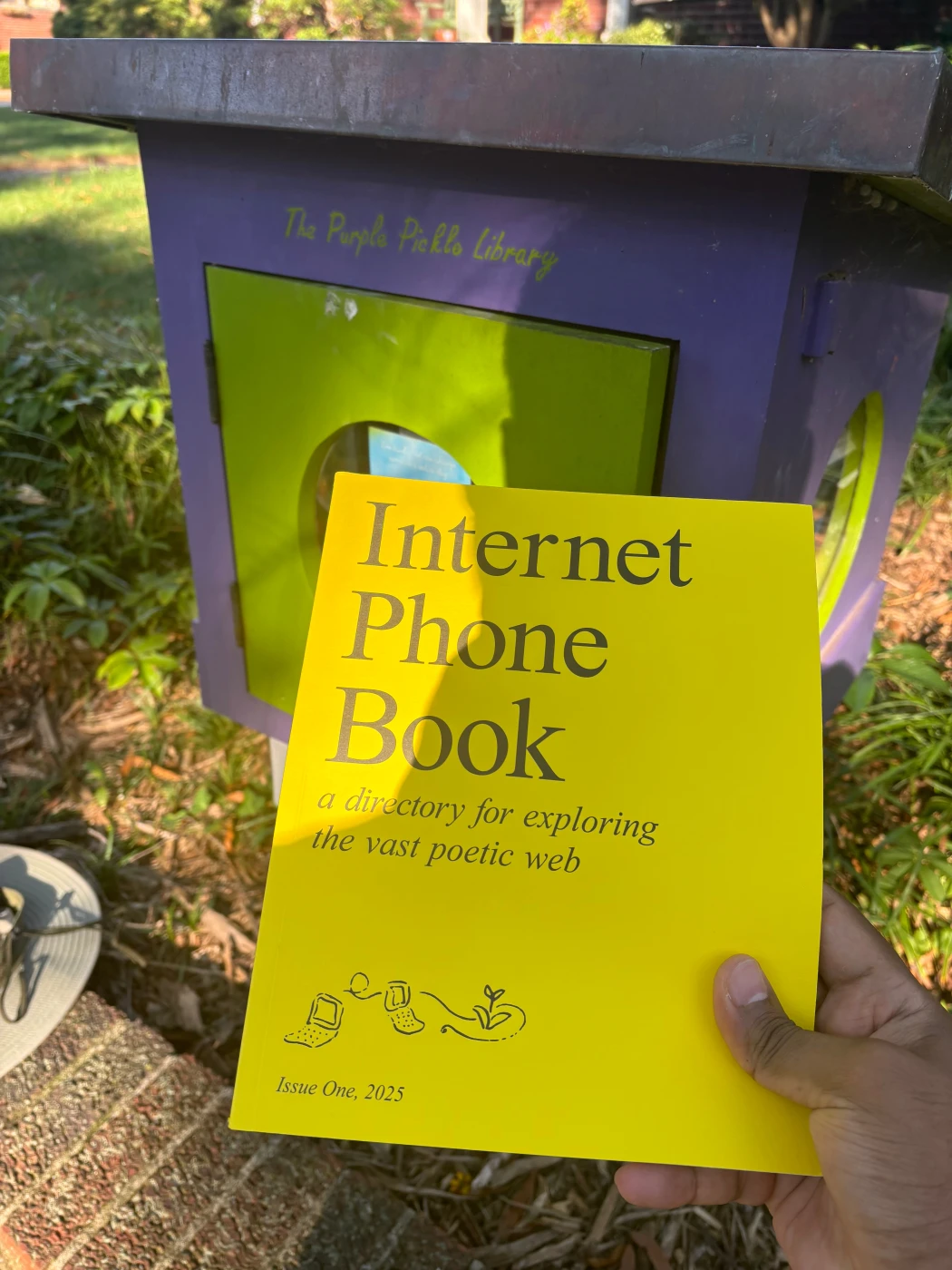
You might’ve heard of the Internet Phone Book, a collection of poetic, interesting, personal websites, and essays about websites, collected by Kristopher and Elliott. We chatted about how the phonebook was made, and about why they’re optimistic about the web that’s made by real people and artists.
TLDR: Make a website, it’s good for your soul.
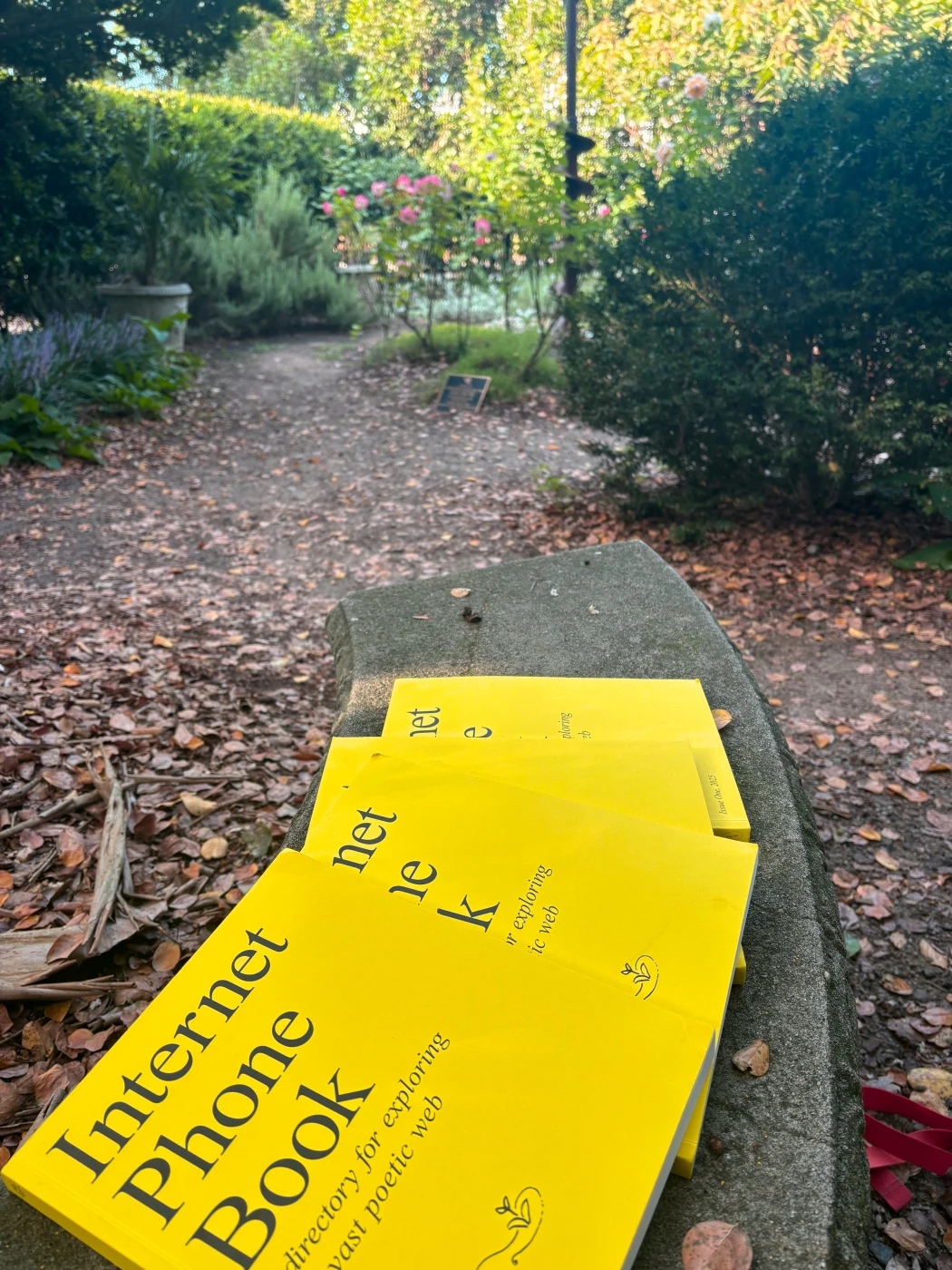
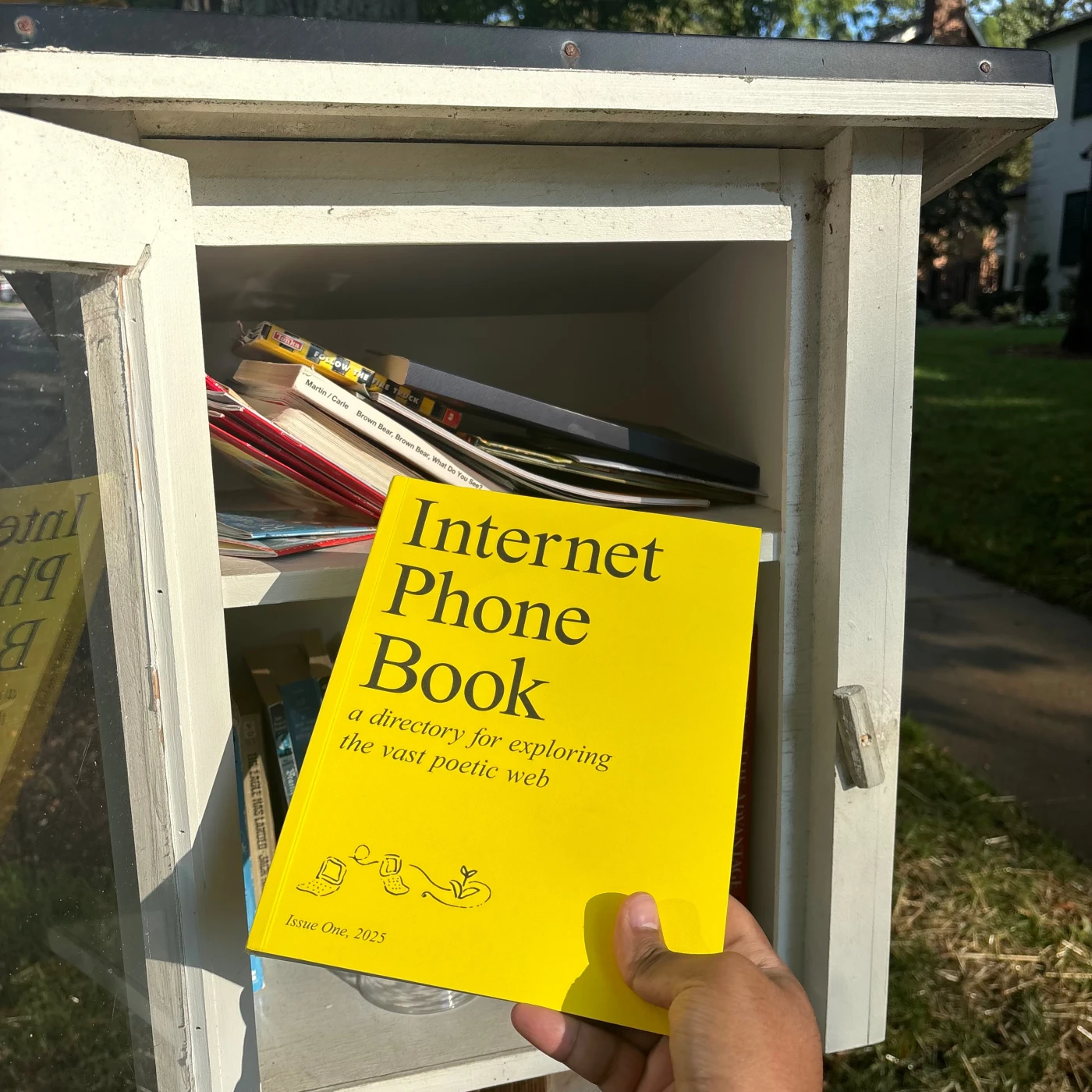
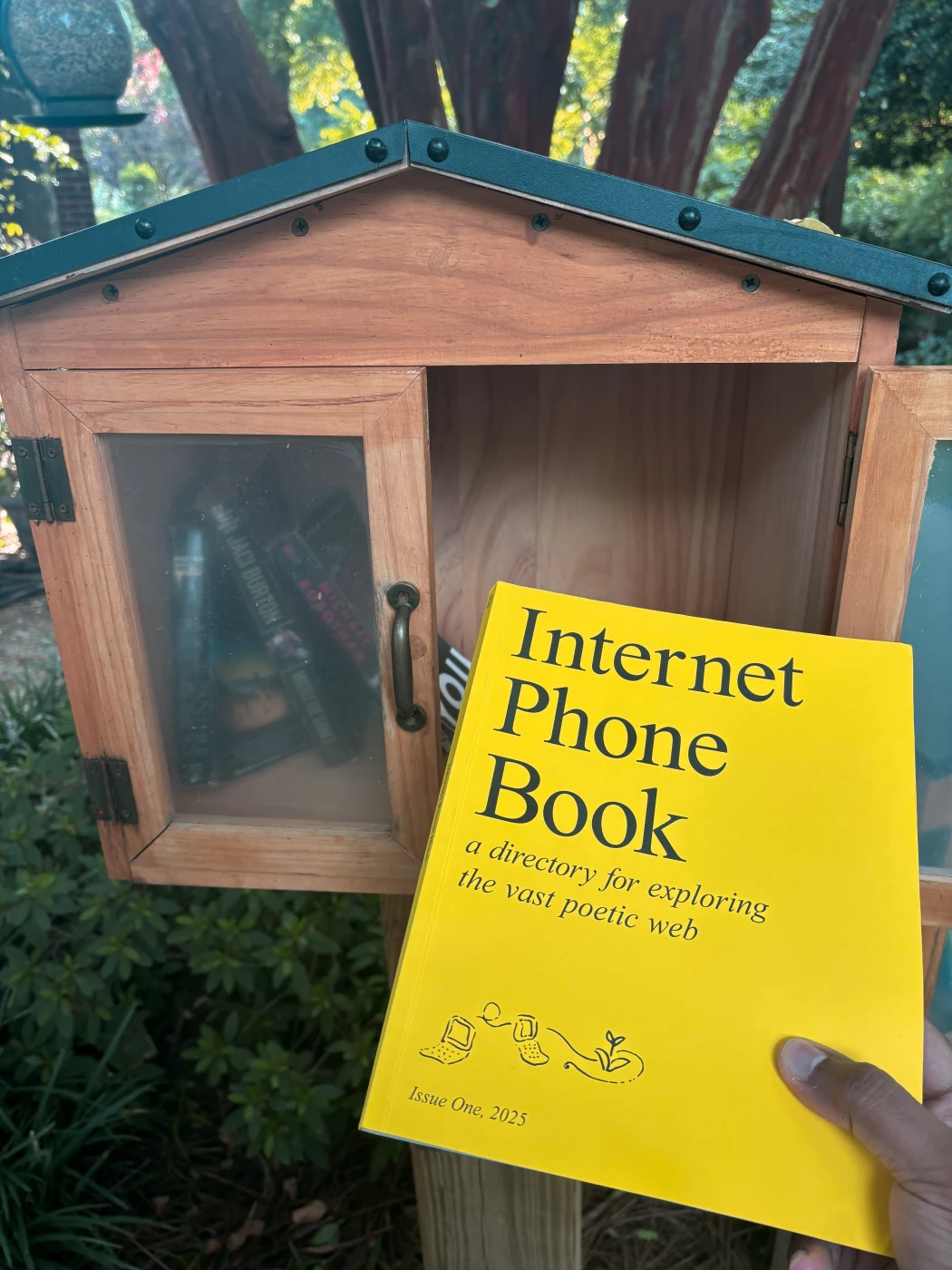
Because Kinopio sponsored the first printing of the phone book, I was sent three extra copies. I wasn’t sure what to do with them though. When I asked what I should do on social media, there was no shortage of people asking me to mail them a copy. But the more I thought about it, the more I felt like I should share the book with people who aren’t already part of ‘the scene’.
Right now, I’m living in Charlotte, NC. Beautiful weather, but not a place you’ll find many indie web enthusiasts. So I decided to drop them off in little libraries around town in the hopes that maybe someone new will have their eyes opened to the world of websites outside corporate control.
Author, artist, sees the html.energy all around us
About the Poetic Web
P
You describe the book as a directory for exploring the vast “poetic web”, not the “indie web”, nor the “blogging web”. Why the term poetic web?
Personally, I’m not sure that I’m part of the ‘poetic’ web. I don’t write poetry, but I do want the things I make to be beautiful in a way.
KLaurel Schwulst started to write that she was interested in the poetic potential for the internet. I believe this inspired Chia Amisola to name the Poetic Web. Now there are more people using it. For me, it’s not that the web has to be poetry. I don’t need to identify a particular grain and substance that these sites all share. Rather I like the term because poetry is less in-your-face, less trying to be right. It’s a bit more like asking questions. A little bit more suggestive. And I find that a way of describing the internet or the web that we engage with.
I also like that the reading of poetry requires a bit more work on the reader’s behalf. You need to kind of make up your own mind of how you interpret poems. If non-fiction leans more towards five-step guides, then poetry is more like the Oracle with arbitrary answers. I’d like that the web is something people feel agency to shape and participate in.
P
So it’s more like poetry is like an art form, which websites can also be.
The internet phone book really reminds me of the original idea of Yahoo as a directory of websites. Hand-curated where some guy was like “oh there’s a new cooking website, better add that in”. Do you think there’s a place for a new Yahoo-style site with trusted links? Maybe as a portal-y destination for people to come back to? Like a wirecutter of websites, if you will.
E
That’s kind of our intention with this book. In many ways we couldn’t take a conventional approach, like what worked in the 90s, when the directory served primarily as a utility. The phonebook speaks to a different time and context. The web is so vast that we can’t and didn’t want to fit it all into a book.
Some artists have tried to print the internet, which is interesting, but in many ways we see the phonebook as a community-building project that connects people through printed matter. Starting small, and within the context of where we’ve already been working, felt important.
P
It reminds me of the Famicase exhibitions where artists come together each year to print their own physical Nintendo™ cartridges displayed in a physical place, which brings a lot of artists together.
I’m wondering if most of these websites are fully hand-coded. To be part of the poetic web, is there a requirement that you write the HTML yourself?
E
Not necessarily. I think it’s great when people are hand-coding their sites. There’s something beautiful about that, where you can see the human behind the site through the code or the design. But we want to be open to anyone, and we also included sites made through a web builder, which is fine as well.
K
You’re hearing this from the organizer of HTML Day, which started as free-writing HTML on paper in parks, but I would say, to Elliott’s point, I never got an exclusive feeling, of one type being better than the others. With Elliott and Laurel’s HTML energy it’s just much more about putting your fingerprint on what you do, and I think you can do that with any tool. So it’s more like, can you feel that someone is actually behind this?
P
Can commercial sites ever be a part of the poetic web? In the same way that you have Walmart, but you also have your neighborhood coffee shop, and they have a very different influence on the community.
E
I think it was interesting how the advertisers in the book form their own organic software directory.
The ads are a directory of companies that are doing good for the web, respecting people’s privacy, and staying small. They have more sustainable ways of keeping their businesses alive that are less extractive.
So yeah, I think there’s definitely a place for commercial sites in the directory, and I think we’ll explore that more. Like, maybe you could have a small inline ad within the directory for people who can’t necessarily afford a full-page ad.
P
Yeah, it’s not like Google where people, mostly bots, bid on adsense and if you win the bidding war your ad is displayed. In contrast to that, you know that to be in the internet phonebook you have to meet a criteria of non-shitty-ness – so there’s a sense of trust in the directory.
K
And also we picked yellow which was originally like the commercial phone book. In many countries you would also have another phone book for residential numbers, in my birth country that was white.. But when you ask people “what color is a phone book?” They say yellow.
Buying ads are… let’s say, optimizing towards some very large companies. I wish there were other ways of finding your customers. And I think as Elliott said, I like your term of organic software. There are a lot of these kinds of companies on the internet, and I would love to help them also establish nice customer relationships. I think those are, like, the mom-and-pop stores of the internet, right?
P
Yeah, it’s one of those things where the companies that need the help don’t have the resources for it, and the big ones that don’t have all the resources for marketing. But you reached out to me, to ask if I’d be interested in sponsoring and I thought that proactive outreach was really cool and helpful.
Producing the Book
P
Before printing the book was there a point where you were like if we don’t get n feedback or reassurance then we won’t do this? Because a print run is an expensive commitment.
K
We emailed potential sponsors to help us front the costs so at least we wouldn’t come up with a loss. And then that was actually really positive. You and other people that we wrote to were like “yeah sure, let’s do this, it sounds fun”. And I also wrote to a few bookshops to check if they would be interested in carrying it and some very nice bookshops said yes. So then we felt like, okay, it’s not gonna be a pile of paper that no one’s gonna look at, I think we can justify printing 500 copies.
P
How did you decide on 500 as a number to print? Did it just feel right, or was there some other consideration?
K
Because we wanted to do offset print, which gives a nicer look and is a nicer reading experience, the minimum order for that to make sense was 500. With printing you have these different levels, where beyond a few thousand it becomes more about the bookbinding than the printing cost because binding has different gluing techniques and the machines need different quantities. Anyways, I like doing physical stuff which has different constraints that are really fascinating.
P
I’ve read a little bit about that from Craig Mod writing about his own membership books that he prints, and yeah, it’s pretty intense.
How successful has the phone book been? Especially compared to your past work?
E
I’d say very successful – it sold out in less than 24 hours after the are.na article. I think we were a bit surprised by that. We would have printed more if we’d known that people really wanted this. So yeah, it’s been surprising, but also lovely.
P
Sounds like the way is paved for future releases. Do you see the phonebook as a yearly periodical? You mentioned in the book itself that a lot of these URLs will be lost to time. Some domains will expire, they’ll be replaced by scam pages and whatnot, so in theory, there is effort required to keep everything up to date.
K
Given the reception and how many people seem excited about it, I think we would love to keep it going and make it a thing for some time. The support has really been crazy, from the people reading, to the bookshops, to, of course, all the people featured in it. I personally find that the book hits all the things that excites us and it’s kind of easier to understand. Like if people ask me, “so what are you doing?”, and I say, “I do internet stuff”, and then they want to understand, now I can just give them this phone book and it kind of explains what it is, and we can talk through that. And it kind of exemplifies a lot of the virtues around what I’m doing, and that feels very exciting, so it would be really cool to keep it going.
I remember Olia Lialina, who also has an essay in the book, posted that the phonebook is kind of like the Whole Earth catalog of our time, which I think is a very sweet reference. It would be incredible to do anything remotely similar in terms of cultural importance. And I think there is something about living around or outside of the big tech company platforms that the phonebook could be a part of.
P
Despite the name, I noticed the book is half traditional phonebook-style listings, and also half essays about the web in general. Do you think you’ll keep that 50-50 balance in future editions?
K
Originally we planned to do this one book, and thought there would be 250 people and their sites in it. And then when we actually opened for submissions, there were like 700~. But then when we put them together in a column layout, we had maybe like 20 pages – which was not enough to look like and feel like a book. That led us to put in essays. But I’m very happy we ended up with that, because the book ended up in all these bookshops, and people have been picking it up who have no familiarity of the part of the internet we’re talking about, so the essays sort of work like a primer to that. So we definitely want to keep having essays in the future.
WWW to IRL
P
How do you see the present and future relationship between the digital and real world evolving?
E
Hmm… personally, I’ve been looking for what I’ve called off-ramps from the web to real-life spaces. I’ve been part of a lot of projects trying to explore this more, like HTML Energy with offline events, where people meet and write HTML together.
Friends of ours, Benjamin Earl and Kirsten Spruit, who are part of Extra Practice, the studio I’m in, came up with the term coding in situ. It’s about working on technology that is situated in a physical place and has a sense of locality.
I’m not really sure what these explorations will look like in the future, but I do hope that physicality is given more consideration. Think websites that don’t have to be “on” all the time and digital tools designed around physical, local spaces.
P
What advice would you give someone like me, perhaps, who kind of doesn’t live in a cool city. Can they be part of the poetic web, too? It’s a little tough here because you wonder if anyone will show up.
K
You can host your own HTML Day, we’ll help. We were also thinking that we would really like for the book to integrate with these local physical spaces. Like, what are the doors that you can enter in different cities around the world, where you can have conversations with people who are interested in this kind of the internet?
So, like, I think Extra Practice in Rotterdam is such a place, because we know the people there. There are like 5 members and all of them are interested in this. You have Bird Call in Seoul, and of course, these are bigger cities, but it would be nice to integrate everyone with a sort of ‘place directory’ in the phone book as well.
P
And you guys are doing a book tour, which sounds pretty rock and roll. But I don’t know what a book tour is, so what can visitors expect when they come by?
E
It’s kind of based on the space and the organizers there, how they want to run it. So they’ve all been a little different.
K
The Athens one was really nice, there were dear friends, but there were also strangers who came, some lived in New York. They came to get the book as it was sold-out online. So strange how the world works.
E
I see it also as a way of meeting people, having conversations about the web, our hopes and dreams for it and such.
Future Internet
P
Speaking of, are you optimistic or pessimistic overall about the internet’s future?
K
I’m very optimistic. I continuously meet more and more people doing very meaningful things on the web. When I started writing Naive Weekly, which was, I guess was 6 or 7 years ago, I would just write all the same things that everyone else did, often critical stuff about big tech. And then at some point, I was like, okay, I need to stop just criticizing, I need to find out what I really like, and it started a long journey…
Now I keep finding new cool digital publications, or conferences and events related to this. So many people are doing such cool things outside the few big platforms. I find it really very exciting,
E
It also feels like maybe in the last two years, things have shifted a bit, especially with what happened to platforms like Twitter and the people looking for other spaces to be online. But in some ways these other online spaces are all the same, which is a little disheartening. But then I’ve seen a lot of people kind of go deeper and ground themselves in their websites, which has been super inspiring. They were just like, “I’m gonna spend some time just really building out my website, and adding all the features that I want, or that I’ve always dreamed about”. It seems like there’s more mental space for that now.
P
Lately, there seems to be way more people who want to get off social media, but they also feel addicted to it. They’ve identified a problem in their lives, but to fix it they usually try things like setting a timer or something, which to me sounds a bit like “I have a problem with cocaine, so maybe I’ll limit it to 30 minutes a day”.
But I think an actual solution could be … make a website. I’ve found that by just grounding myself more in this blog it kind of takes away my interest in social media. I still post on it, but I don’t really care about the feeds, because I have my own site and other people’s blogs to wander in.
E
It’s definitely better to be addicted to your website than social media. And not everything has to be public too.
K
Social media made it very easy for us to feel like we were staying connected with people, like they’d surface our friends when they have birthdays and stuff like that. But I think that we also forgot some of the important things about being a human, which is to also remember the people we care about and show up for them. Once you start to do your own website and you realize that, oh, people don’t just automatically come there, it’s kind of a good reminder that it takes a little bit of effort to go to other people’s sites and see what they’re doing – like checking in on them.
Also websites have longevity. They’re a longer commitment than a social media post, and I think the pace is more healthy for humans. Like, tending to a website is more aligned with what it means to live a fulfilling life.
At the time of this writing the Internet Phone Book is now back in stock.
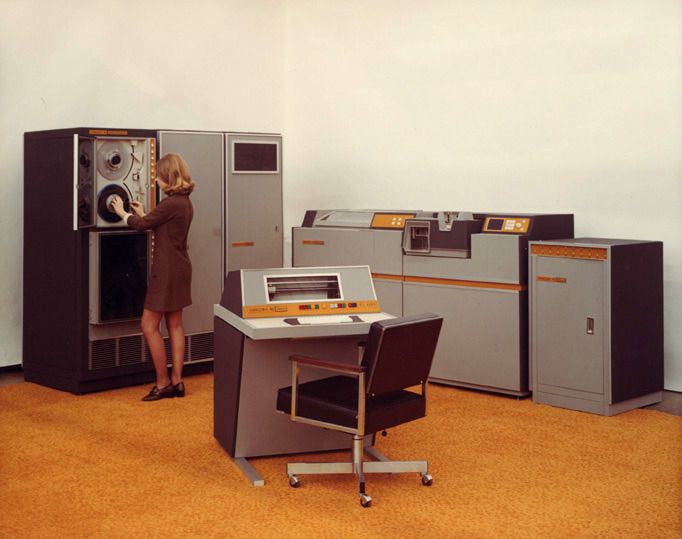
I could see myself running a hotel. A little world where the architecture is otherworldly. And of course, the service is impeccable – because nothing matters more in any business than how customers are treated.
(source)
I collected this photo as
inspiration
~14 years ago. Feels good to finally use it.
But while it’s normal for one night in a hotel to cost ~$300, most people expect the price of a month of using pro-grade software – some of which cost millions of dollars to produce and maintain – to be closer to a cup of coffee. That’s because software is inherently a volume business. While I’m busy fixing something, the app is still being used by everyone else. And when I ship improvements, everyone benefits.
Does it make me feel better when Kinopio is more reliable, lighter-weight, simpler, more powerful, and faster? Well, I’ve been happily doing this kind of tuning all month. And honestly, if I could afford to, I’d keep doing it forever.
When it comes to volume, Kinopio is in this awkward puberty phase, where it doesn’t have enough paid users to be completely self-sustainable yet. But I also get bug reports, feature requests, student discount requests, and emails from really nice people telling me how much they love Kinopio, everyday.
So as much as I enjoy improving code, I also know that my primary focus right now really should be on helping new people find Kinopio – and giving them a really inviting first-impression when they do.
Switching my brain from coding-for-computers to writing-for-humans is a violent gesture. It takes a lot of force and focus to pull that rusty mental switch. So when writing mode finally does click on, I’d like to stay there for a while.
But staying away from code gets tricky once daily support requests start rolling in.
People have this perception of a founder or a CEO as someone who floats above the business, separated from the day-to-day so they can think high-level thoughts about high-level things. But especially if you’re building organic software, you’ll be sneaking peeks at the sky, while wading knee-deep through mud. The way I do it, it’s not a glamorous job.
It’s all too easy to over-optimize the support process. With the incantations provided by enterprise help-desk software, you could cast a barrier that only lets people contact you if they’ve searched the docs first. Or you could make them go through an annoying chat bot trained on those docs. And if someone is patient enough to clear the hurdles, you can effortlessly respond with a fully automated reply.
In Final Fantasy 7, the Barrier spell protects you from physical damage. In 2025, help-desk software protects you from your customers.
But treating support like a bean-counter really is missing the forest for the trees. One of the major benefits of buying products made by actual people is the expectation of being able easily to reach out to a real person if you need help.
If you’re not beholden to short-sighted investors, and you’re willing to consider the unmeasurable, and act long-term, then support becomes an opportunity to grow a community which changes the relationship between creator and customer from 1:many to many:many.
I don’t know how unique or interesting my approach is, but here are the tools and habits I use to stop support from becoming overwhelming, without compromising quality.
Embrace Contact
The primary purpose of the help site isn’t to reduce support – it’s to have URLs that I can point people to for commonly asked questions. Some people prefer to use the site to look for answers on their own, while others prefer direct contact. Both are okay.
I also have a support forum and a community chat. People will choose whatever you’re comfortable with, but there are good reasons to use one over the others.
Type
Pros
Cons
Email
Everyone knows email, easy to start
Conversations are 1:1 and can’t be shared, hard to keep track of
Chat (Discord)
1:many conversations encourage community and faster responses
Requires a Discord account, old posts are washed away by new ones
Forum (Discourse)
Everything is public, Topics are easier to organize work around, Slower pace
Functional nature isn’t the best for casual community discussions
Making contact easy is just the start of a long road. The shape of a welcoming community, like the shape of a bonsai tree, doesn’t just happen. Without regular care, bonsai fall over and die as their branches crowd each other out for light and nutrients.
Constant Pruning
At least once a day, I check my inbox and read through all the latest updates on the forum and chat. When someone new joins the discord I write them a greeting. Something simple like,
Hi @you, welcome to the Kinopio community chat
I worry that they may think this is just a bot, which I could easily do. But I hand-type it anyways with slight variations to evoke the friendly feeling of being greeted when you walk into a shop or bar – and to show that I, and the other active people here, are listening and want to hear what you have to say.
When you form a community you have a responsibility to actively keep it organized and healthy. When creators and moderators check out of communities, your biggest fans, feeling ignored or betrayed, may become your biggest haters. Passion cuts both ways.
Abandoned places can go full gremlin overnight.
One of the most helpful things that I do to prevent discussions from getting overwhelming is proactively proposing that they be moved elsewhere when it makes sense. Here are some examples of how this plays out IRL:
Someone emails in a niche feature request that may not be used by anyone else. I would ask them to share their ideas and use-cases in chat to see if others are interested.
Multiple people email me about the same bug, and others have reported it in chat. I would make a forum topic for the issue, containing all the repro steps and other debug clues, then share the link with everyone so they can track it’s status.
A non-critical bug is reported in chat that I don’t have the bandwidth to investigate right now (maybe because I’m writing a blog post). So I’ll ask them to post it in the forum so I can get back to it once I have time.
In chat, everyone’s sharing their hopes and hot-takes on a newly proposed feature. It’s getting spicy. I’d ask the OP to start a forum thread and continue the discussion there so that we don’t lose anyone’s ideas later when I’m ready to work on it.
Although changing communication types comes with friction, it’s also a filter. If the user doesn’t feel like making the effort, then it’s fair to assume that they didn’t feel that strongly about their request.
If you had to choose between chat or a forum, you should choose a forum. But if you have a chat, you need a forum. The slower-pace and more async nature of a forum acts as a blow-off valve that lets the steam escape from heated conversations.
Future Support
As Kinopio grows, will I still be able to do support, and build community like this? The advantage of slower growth is that I have the time to pave the desire paths around the needs of real customers.
I know that customer service isn’t the coolest topic. When costs are being cut it’s usually first on the chopping block. But when the world zigs, my passion zags – because why would you care about something made with the same thinking as everything else?
If you have a problem with your 50 year old vintage Leica, Mercedes, or Tag Heuer, they’ll still service it. Even the most well-made things can break, but treating old customers as well as your new customers is what you do when you’re building a company to last beyond you.
And of course, once it exists, you’re welcome at my hotel anytime.
 Kinopio









 Hi @you, welcome to the Kinopio community chat